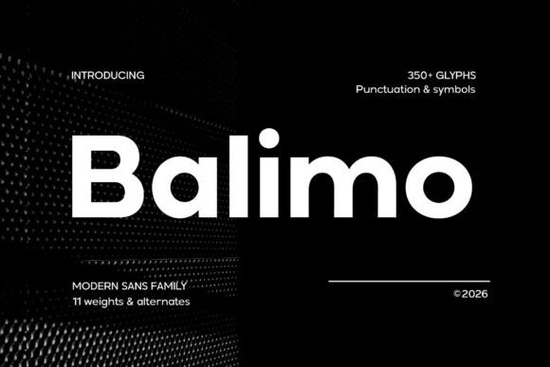
If you're looking for a clean, modern sans serif font that works just as well on a business card as it does in a mobile app interface, Balimo Font is worth your attention. It’s designed with real-world use in mind not just aesthetics. Whether you’re a small business owner updating your logo, a POD seller prepping new shirt designs, or a hobbyist putting together a handmade greeting card bundle, Balimo delivers consistent spacing, balanced letterforms, and quiet confidence without shouting for attention.
What makes Balimo different from other sans serifs?
Many modern fonts lean heavily into minimalism but sometimes at the cost of warmth or readability. Balimo avoids that trade-off. Its geometric structure is precise, but not rigid: subtle curve adjustments and even stroke contrast keep it approachable. Letters like “a”, “g”, and “e” have open counters and generous x-heights, which helps body text stay legible even at smaller sizes something designers working on product labels or packaging will appreciate.
The family includes multiple weights (Light to Bold) with matching italics, so you can build clear visual hierarchies without switching fonts. That means one purchase covers everything from a delicate caption to a bold storefront sign no need to hunt for compatible companions.
Where does Balimo fit in your design workflow?
You’ll find Balimo especially useful when consistency matters across formats. For example:
- Branding projects: Logos, letterheads, and social media banners benefit from its strong yet neutral presence.
- Print-on-demand products: T-shirts, mugs, and wall art look sharp because Balimo holds up well in both vector and raster outputs even at low resolutions.
- Digital interfaces: UI designers report fewer readability issues with Balimo in buttons and form fields compared to tighter, narrower sans serifs.
- Crafting & stationery: If you use Cricut or Silhouette software, Balimo’s clean outlines cut cleanly and align predictably.
How does it compare to other popular Creative Fabrica sans serifs?
It sits comfortably between the friendly roundness of Rounded Sans Bundle and the sharper geometry of Brunko. If you’ve used Monteo for editorial layouts, you’ll notice Balimo shares its emphasis on rhythm and spacing but with a slightly more contemporary silhouette. For those who prefer a bit more character without sacrificing professionalism, Bisked offers a softer alternative, while Agootack leans bolder and more display-oriented.
None of these are “better” they serve different moods and functions. Balimo’s strength is flexibility without compromise. You don’t have to choose between clarity and expression.
Real usage tips from designers and sellers
A few practical notes based on feedback from Creative Fabrica users:
- Pair Balimo Light or Regular with a warm serif (like Playfair or Lora) for wedding invites or boutique packaging it creates gentle contrast without clashing.
- For screen-based work, avoid using Balimo Thin below 16px; Regular and Medium hold up best in UI contexts.
- When exporting SVG files for cutting machines, outline the text first Balimo renders smoothly, but some older firmware handles outlined paths more reliably.
- Its OpenType features include standard ligatures and alternate numerals, which help polish price tags, receipts, or recipe cards where numbers appear often.
Like many quality typefaces on Creative Fabrica, Balimo Font comes with commercial licensing included so whether you’re selling 10 prints or 10,000 t-shirts, you’re covered. No extra fees, no hidden limits on impressions or units.
If you're already exploring sans serif options on Creative Fabrica, consider downloading a few samples side-by-side. Try setting the same sentence in Balimo, Brunko, and Monteo at the same size and weight. Look at how letters like “S”, “R”, and “3” sit next to each other small details like terminal shapes and spacing tell you more than any description ever could.
Before you download: Check if your project needs multilingual support (Balimo covers Latin Extended-A, including accented characters used in French, Spanish, and German), and confirm your software supports OpenType features if you plan to use alternates or ligatures.
Get Started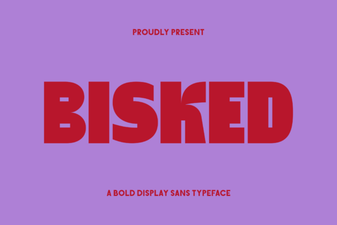 The Bisked Font for Modern Web Design
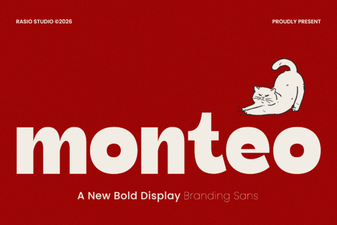 Introducing Monteo Font for Modern Design
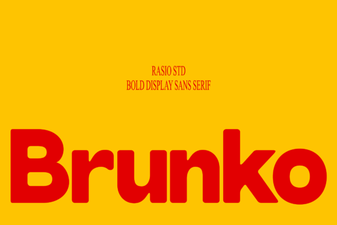 Brunko Font: Creative Typography Projects
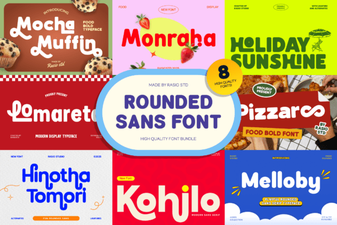 The Rounded Sans Bundle Font: Modern & Creative Projects
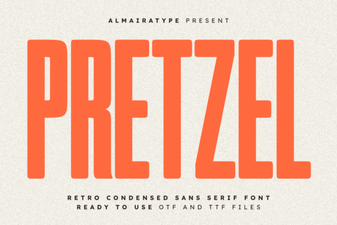 Introducing the Pretzel Font for Design Projects
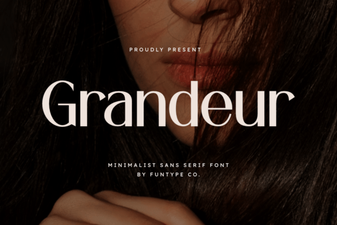 Grandeur Font for Your Design Projects