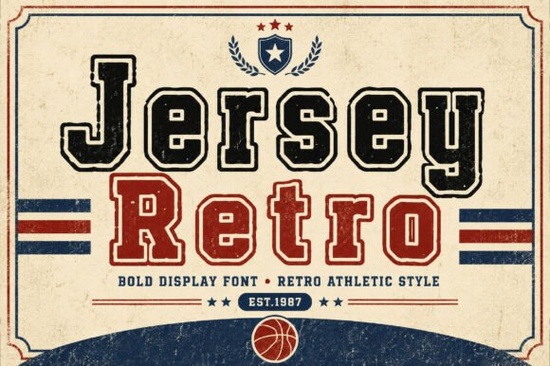
If you're looking for a bold, nostalgic display font that works well on team jerseys, vintage posters, or streetwear apparel, Jersey Retro Font is a solid choice. It’s designed to echo the clean, confident lettering of mid-century athletic branding think varsity jackets, high school banners, and retro gaming logos not with gimmicks, but with thoughtful weight, spacing, and layered outlines that hold up at any size. Unlike some retro fonts that sacrifice readability for texture, Jersey Retro keeps letters clear and legible even in smaller applications like patch embroidery or screen-printed t-shirts.
What makes Jersey Retro different from other sports fonts?
Most sports-inspired fonts lean heavily into distressed textures or exaggerated serifs. Jersey Retro takes a cleaner route: it uses a strong block structure with subtle vintage outlines like the kind you’d see painted by hand on a gymnasium wall in the 1950s. That outline isn’t just decorative; it adds visual weight without blurring edges, which helps it translate well across mediums from vinyl cutting to digital mockups. You’ll also notice consistent stroke contrast and open counters (the enclosed spaces inside letters like ‘o’ or ‘e’), making it easier to read on fabric, signage, or mobile screens.
Where does it work best?
This font shines where authenticity and clarity matter most:
- Team merchandise: Jerseys, warm-up suits, and fan gear especially when you want that classic “school pride” or “local league” feel.
- Print-on-demand designs: Works reliably on platforms like Printful or Redbubble because it scales cleanly and avoids thin strokes that disappear in automated printing.
- Gaming and esports graphics: Fits naturally alongside retro pixel art or arcade-style branding less cartoonish than many display fonts, more grounded in real-world athletic history.
- School projects and spirit wear: From pep rally posters to yearbook headers, it gives a sense of tradition without feeling outdated.
How does it pair with other fonts?
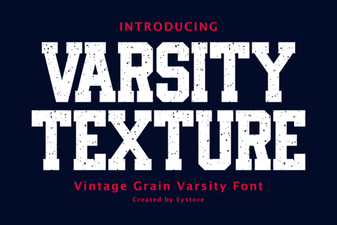
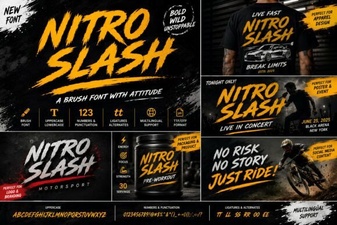
Jersey Retro is a display font, so it’s best used for headlines, logos, or short phrases not body text. For pairing, look for clean sans-serifs with neutral proportions, like Nitro Slash (for high-energy contrast) or Varsity Texture (if you want to layer in more tactile depth). If your project leans Nordic or minimalist, Aaksaraan Nordhavn offers elegant balance without competing visually. And if you’re building a full sports identity system, consider how Chicago Bulls Font handles rhythm and spacing it’s not a match for Jersey Retro stylistically, but studying its letterfit can help you refine kerning choices in your own layouts.
Real-world usage tips
Before finalizing a design:
- Test it at actual print size especially if you’re using it for embroidery or heat transfer. Jersey Retro’s outline layer holds up better than many retro fonts, but always check how it renders at 1–2 inches tall.
- Avoid overloading it with effects. Drop shadows or heavy gradients can muddy its clean structure. Let the font’s built-in outline do the work.
- Use uppercase only for maximum impact. Lowercase isn’t included, and that’s intentional the design focuses on the bold presence of traditional varsity lettering.
- Check licensing. The Creative Fabrica version includes personal and commercial use, but always confirm if you need extended rights for resale items like POD templates or digital design kits.
For designers who appreciate craft and context, fonts like Jersey Retro Font offer more than style they carry quiet design decisions rooted in real typography history. Same goes for Nitro Slash Font, Varsity Texture Font, and others in this category they’re tools shaped by how people actually use them, not just how they look in a preview thumbnail.
Next step: Open your current project, swap in Jersey Retro for your main headline, and compare it side-by-side with your default display font even a 10-second test reveals how much more grounded and intentional it feels. Then try exporting two versions: one with the outline layer turned on, one without. See which reads stronger on your intended medium.
Learn More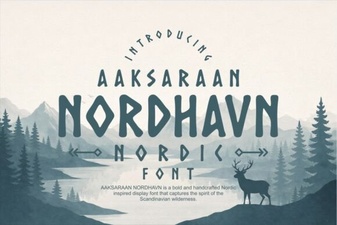 Aaksaraan Nordhavn: the Ideal Design Partner
 Varsity Texture Font Design Tips & Inspiration
 Nitro Slash Font for Modern Web Designs
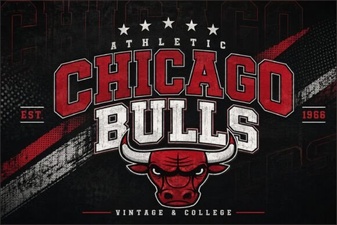 Chicago Bulls Fonts for Designers and Fans
 A Simple Cute Font: Perfect for Friendly Designs
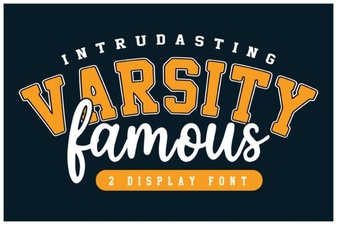 The Varsity Font: Design Tips & Creative Uses